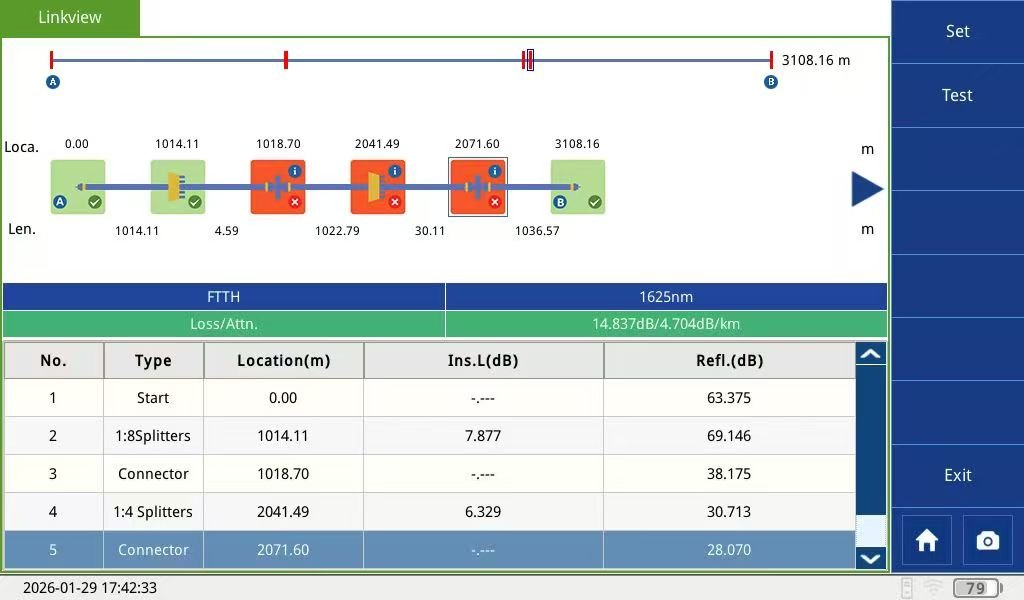
As your partner in optical technology, we’ve spent decades on the front lines of fiber optic network maintenance. We’ve seen firsthand the frustration that comes from sudden network failures: the late-night calls, the expensive truck rolls, and the frantic searches for a fault point that could be anywhere along a hundred-kilometer cable. Our TMS400 FAMS fiber monitoring is designed to help mitigate these challenges.
Traditional maintenance is reactive. It’s a constant race against time, often leaving technicians with outdated records and inefficient tools. You’re not just fixing a cable; you’re battling uncertainty, high operational costs, and the risk of prolonged service disruptions that can damage your reputation.
But what if you could change the game entirely? What if you could see a problem developing before it takes your network down? It’s precisely this critical need for effective, proactive fiber optic network monitoring that drives our innovation. With our TMS400 FAMS fiber monitoring System, this is the story of how we’re making that a reality for our partners across critical industries.

What if You Could Predict Fiber Faults Before They Happen?
Our Fiber Optic Monitoring System ensures you’re always one step ahead in maintaining network reliability.
Q: What is the G-Link Fiber Optic Cable Automatic Monitoring and Management System?
A: The G-Link TMS400 system is a comprehensive, unattended solution designed for 24/7/365 real-time fiber optic network monitoring, transforming passive fiber resources into a smart, self-diagnosing network.
Imagine a world where your network maintenance isn’t a stressful, reactive firefight, but a calm, proactive, and data-driven operation. This is the new reality we deliver with our G-Link Fiber Optic Cable Automatic Monitoring and Management System.
The FAMS Platform system is more than just a tool; it’s a comprehensive, unattended solution designed to be the central nervous system for your entire fiber optic infrastructure. It provides 24/7/365 real-time monitoring, transforming your passive fiber resources into a visual smart, self-diagnosing network. Instead of asking “Where did the network fail?”, you’ll be empowered to know “Which fiber is degrading and needs attention next week?”.
How Does Our TMS400 system Turn Data into Action?
Q: How does the G-Link TMS400 system monitor fiber optic networks?
A: The G-Link TMS400 system integrates advanced OTDR technology for fault detection, centralized intelligent NMS-FAMS platform with cutting-edge algorithms for data analysis and predictive alerts, and GIS integration for precise fault localization.
At its core, the TMS400 system integrates several key technologies to provide a holistic view of your network’s health.
- Advanced OTDR Technology: Our high-performance OTDR modules act as the system’s eyes, constantly sending out test signals to measure the integrity of every fiber. They can detect the slightest degradation, pinpointing issues long before they become critical failures.
- Centralized Intelligent Software: All data is fed into our powerful NMS-FAMS software platform. This isn’t just a dashboard; it’s an analytical brain. It records historical data, analyzes trends, and provides predictive maintenance alerts.
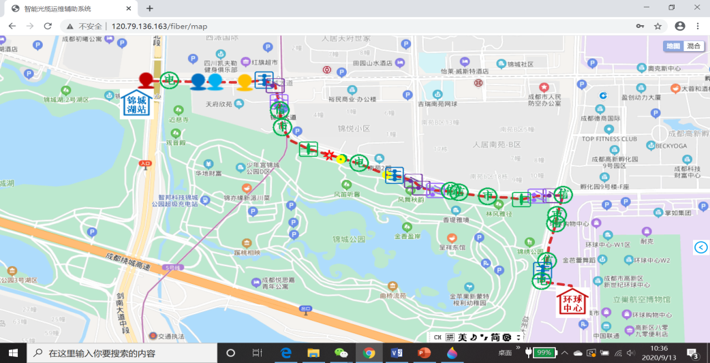
- GIS Integration: We combine network data with GIS mapping systems. When a fault occurs, you don’t just get a distance reading; you see the exact location on a map, guiding your repair crews with pinpoint accuracy.
This combination of hardware and intelligent software provides a complete, visualized management platform for all your optical cable resources.
What Real-World Results Have Our Partners Achieved?
The true value of any technology is measured by its real-world impact. We are incredibly proud of the transformations our TMS400 system has enabled for clients across various sectors. Here are just a few examples from our project files:
For a Major Telecom Operator:
- The Challenge: The operator struggled with time-consuming and inefficient manual inspections across their vast network. Locating and identifying specific fibers for repair was a slow, error-prone process.
- Our Solution: By deploying the TMS400, they automated their daily line quality inspections.
- The Result: In the case of a fiber cable cut, FAMS identifies the fault in minutes compared to the hours needed by traditional methods. Mean time to repair (MTTR) is significantly reduced since the exact location of the cut is identified for immediate repair by the field service teams.They achieved a 70% reduction in fault detection time, with the system automatically reporting issues in real-time. This led to faster service restoration and a significant boost in customer satisfaction.
For a National Customs Authority (Government):
- The Challenge: Ensuring uninterrupted communication between border checkpoints was critical for national security. They needed a way to quickly locate any cable faults along the border.
- Our Solution: The TMS400 system was installed to provide continuous online monitoring.
- The Result: Continuous monitoring enables threat identification within minutes of intrusion, minimizing reaction time. The system delivered precise and instant fault alarm localization, providing an essential information backbone for rapid repairs and ensuring the communication network’s integrity.
For a Remote Power Grid Company:
- The Challenge: Many of their substations are in remote, hard-to-reach areas, making on-site maintenance difficult and dependent on weather conditions.
- Our Solution: A high-density 96 cores RTU was deployed for 24/7 remote monitoring.It can be flexibly expandend up to 128 cores in existing unit for future.
- The Result: The system eliminated unnecessary site visits, saving significant time and operational costs. FAMS characterized the fiber network to produce baseline performance standards. By analyzing historical data, they could now effectively assess cable health and prevent potential failures before they happened, dramatically improving operational efficiency.
For a National Railway Group:
- The Challenge: Their fiber resource records were outdated and incomplete, making it nearly impossible to manage the network or plan for new lines effectively.
- Our Solution: We implemented our intelligent fiber resource management system.
- The Result: The railway group achieved complete digitalization and visualization of their “dark fiber” resources in order to launch new services faster with confidence, accelerate time to revenue. The system enabled remote fault location and even automatic switching to backup fibers, revolutionizing their network management.
These field results show the TMS400 in action; our fiber monitoring guide explains the technology and selection criteria behind them.
How Does Automated Monitoring Compare to Traditional Methods?
Q: What are the key benefits of automated fiber optic network monitoring?
A: Automated fiber optic network monitoring significantly reduces fault detection and repair times, eliminates the need for manual routine testing, and provides highly accurate, proactive insights into network health, leading to substantial cost savings and improved reliability.
The difference is night and day. We’ve compiled a comparison based on our partners’ experiences:
| Feature | Traditional Manual Approach | G-Link’s TMS400 Automated System |
| Fault Detection | On-site troubleshooting required (0.5-2 hours) | Remote, automatic detection (≤2 minutes) |
| Fault Repair | Requires 2 people, 1 vehicle (2-3 hours) | Remote diagnostics, precise dispatch (≤1 minute for localization) |
| Routine Testing | Performed quarterly by a team | Automatic, periodic polling (no personnel required) |
| Resource Management | Manual Excel sheets, on-site checks (avg. >1 hour) | Browser-based access, system self-learns and updates |
| Overall Efficiency | Slow, costly, reactive, high chance of human error | Fast, cost-effective, proactive, highly accurate and intelligent |
For a deeper dive into how this technology is driving the industry forward, you can explore insights from international bodies like the International Telecommunication Union (ITU).
Why Should You Trust G-Link with Your Network’s Future?
We are Guilin G-Link Technology Co., Ltd., and our expertise is built on a solid foundation.
- A Legacy of Excellence: We bring over 50 years of professional technical accumulation in the optical domain.
- Proven Quality: Our operations are certified under ISO 9001:2015 (Quality Management), ISO 14001:2015 (Environmental Management), and ISO 45001:2018 (Occupational Health and Safety), assuring you of our commitment to the highest international standards.
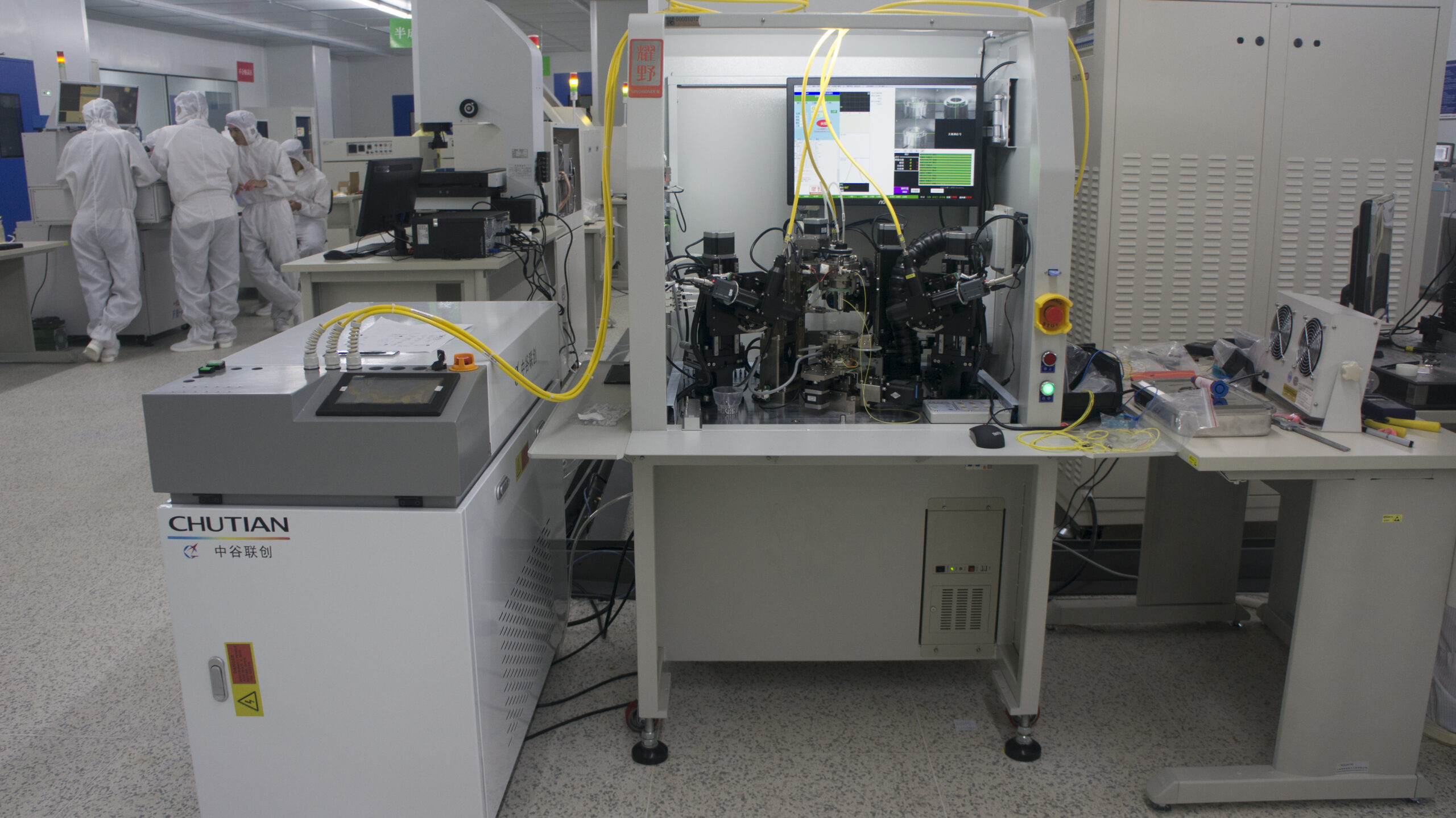
- Advanced R&D and Production: Our team of expert engineers works in state-of-the-art facilities, including thousands of square meters of cleanroom space, to design and build every component of our systems.
When you partner with us, you’re not just buying a product; you’re gaining a partner with a deep heritage in technological innovation and a relentless commitment to quality. Check out our full range of OTDR instruments and learn more about our company.
Are You Ready to Revolutionize Your Network Maintenance?
Stop reacting to network problems and start getting ahead of them. The G-Link TMS400 system is your path to lower operating costs, higher network reliability, and greater peace of mind.
If you are managing a critical fiber optic network in telecom, government, energy, transport, or for a data center, let’s talk. We understand the unique challenges of the Southeast Asian market and can tailor a solution that fits your exact needs.
Contact us today for a free consultation and personalized demo. Let us show you how to take complete control of your network’s future.